


Retailers today are under pressure from all sides. Customers expect promotions to feel relevant. Marketing teams are asked to drive spend and visits more efficiently, and loyalty programmes are expected to deliver measurable growth, not just engagement.
At the same time, promotion fatigue is real. Generic discounts are easy to ignore, expensive to run, and often train customers to wait for the next deal instead of building real loyalty.
In a recent research, McKinsey highlights this exact tension. While loyalty programmes remain a top priority for retailers, many struggle to turn them into sustained commercial impact. Personalisation is increasingly seen as the way forward but only when it actually influences behaviour, not just messaging (McKinsey, 2025). This is the challenge Coop Denmark set out to solve.
Customers no longer respond to promotions simply because they exist. They respond when those promotions feel relevant.
Industry research shows that personalisation directly impacts behaviour: when offers reflect how customers actually shop, they engage more, visit more often, and spend more. McKinsey’s research underlines this shift, showing that personalised experiences drive both customer satisfaction and revenue growth and that they are significantly harder for competitors to replicate.
The problem is that many retailers still rely on broad discounts and occasional personalised campaigns. These approaches struggle to scale and rarely become a consistent growth driver.
Offers are one of the most direct ways to influence shopping behaviour.
Unlike abstract personalisation in content or messaging, offers represent a clear value exchange. Customers instantly understand them. When an offer is personalised, it becomes tangible proof that the retailer recognises the individual customer and their shopping habits.
That’s what makes personalised offers such a powerful mechanism: they turn data into value customers can actually use and act on.
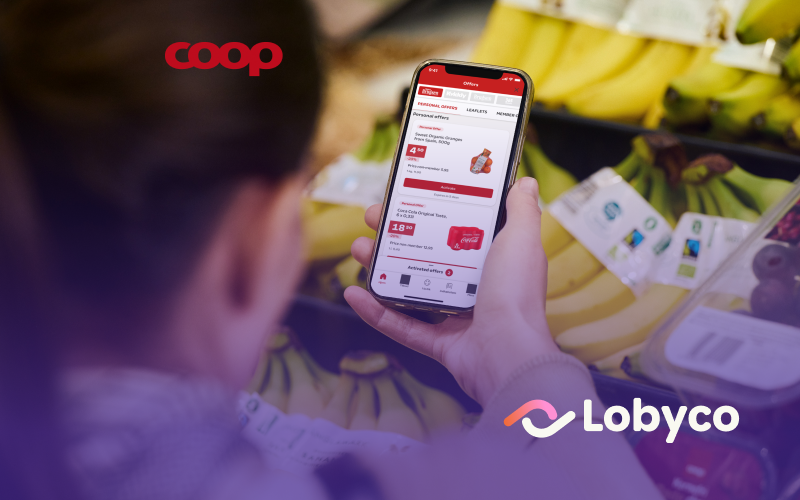
Coop Denmark runs the largest membership programme in Denmark and has made personalised offers a central part of the member experience.
Rather than treating personalisation as an occasional campaign tactic, Coop made it an always-on loyalty mechanic_unlocking a new set of personal offers every single week for members.
For more than five years, Coop Denmark has consistently delivered weekly personalised offers tailored to individual shopping behaviour. These offers are primarily activated before customers go to the store, helping them plan their visits and purchases in advance.
That consistency is key. Personalisation isn’t something members sometimes encounter, it’s something they expect and actively use as part of their everyday shopping.
Coop Denmark’s approach shows a clear and measurable link between relevance and growth.
Customers spend 18% more in the weeks after activating a personal offer. Activated personal offers convert strongly into sales, not just clicks or opens. Engaged members also show increased basket size and higher visit frequency.
These results reinforce an important point: growth doesn’t come from deeper discounts. It comes from making value relevant.
By focusing on relevance rather than blanket promotions, Coop Denmark has been able to drive spend and visits more efficiently while strengthening loyalty at the same time.
Across the retail market, more vendors and retailers are investing in personalised incentives as a way to move beyond mass promotions. McKinsey points to AI-driven personalisation as a key enabler for turning customer expectations into commercial impact.
What sets Coop Denmark apart is not experimentation, but commitment.
Personalisation is not a pilot. It’s not limited to specific segments or short campaigns. It’s a stable, recurring loyalty mechanic that plays a central role in the programme as a whole — week after week, year after year.
That consistency is what turns personalisation into habit, both for customers and for the business.
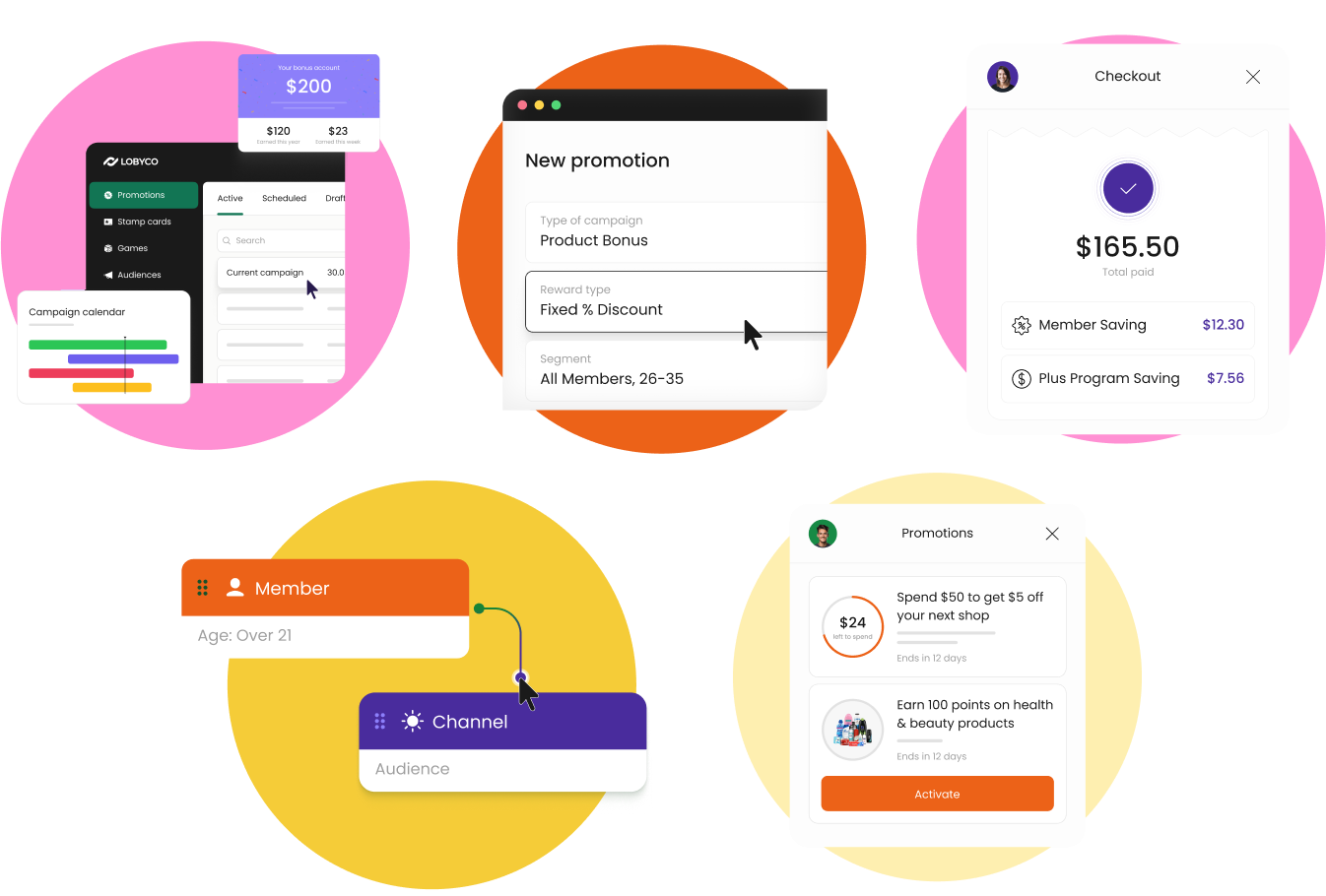
Coop Denmark’s results illustrate how 1:1 Personal Offers turn personalisation into execution.
AI enables relevance at scale by continuously matching customers with the most relevant offers based on their behaviour. At the same time, marketers retain control through defined offer pools and business rules. This makes it possible to run personalised incentives week after week without increasing operational effort or complexity.
In other words, personalisation becomes something the business runs not something teams constantly have to manage.
Key takeaways for retailers: