
Incentivising Better Behaviour: How Bonus Driven Loyalty Creates Commercial and Customer Value
Loyalty April 7, 2026 5min read
:format(webp))
:format(webp))
The Limits of Flat Discounting#
Most loyalty programmes reward everything equally.
Flat bonus structures are simple and easy to scale, but they create weak behavioural signals and primarily drive short term impact. When every purchase is rewarded the same way, there is little incentive for customers to change what they buy, how often they shop, or how they engage.
The most effective loyalty incentives are not uniform. They are intentional.
When designed with purpose, differentiated bonus structures shape behaviour rather than simply reducing price. This is where loyalty moves from being a transactional mechanism to becoming a strategic growth lever.
The question for leadership is clear.
Are we rewarding transactions or deliberately reinforcing habits that drive long term value?
This article explores how bonus driven loyalty can move beyond simple discounts to shape customer behaviour, drive repeat visits, and create long term commercial value. Through real world examples, you will learn how intentional incentive design turns rewards into a strategic growth lever that builds habits, strengthens engagement, and keeps value circulating within your ecosystem.
Bonus as a Closed Loop Investment#
Unlike direct price reductions, cashback bonus remains within the loyalty ecosystem. The reward is earned in the moment but redeemed later, requiring the customer to return to the store to use it.
This creates a closed commercial loop:
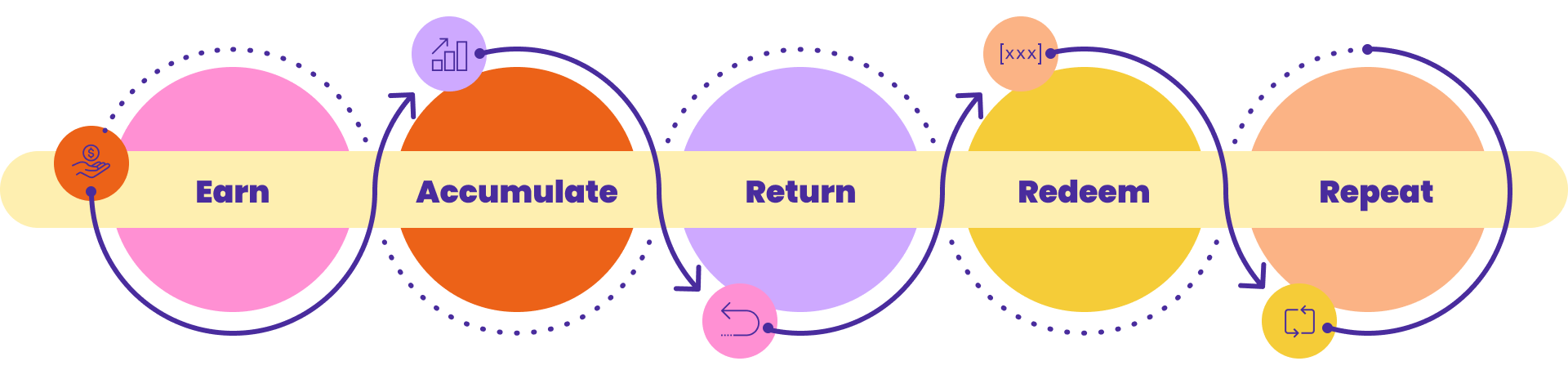
Instead of margin leaving immediately through lower shelf prices, bonus becomes an investment in future visits. It influences not only what customers buy, but when they come back.
This is the fundamental difference between price promotions and bonus driven loyalty. One reduces margin instantly. The other reinvests value into repeat behaviour.
The Strategic Evolution of Incentives#
Flat bonus spreads value broadly but provides little direction.
Differentiated bonus signals intent.
Higher incentives in selected categories create clarity, reinforcing what matters most.
By concentrating reward where behaviour matters, retailers increase perceived value without proportionally increasing cost. This is not about spending more. It is about allocating smarter.
Bonus becomes behavioural architecture, intentionally designed to guide decisions over time.
Reinforcement and Habit Formation#
Repetition creates habit. Consistency embeds it.
Differentiated incentives turn short term campaign responses into long term behavioural patterns.
Loyalty evolves from:
Transactional response → Repeated behaviour → Embedded habit
When preferred choices are consistently more rewarding, customers do not need to be told what to do. They naturally gravitate toward those choices. Over time, these behaviours become routine.
This is where loyalty stops being promotional and starts becoming structural.
Case Spotlights#
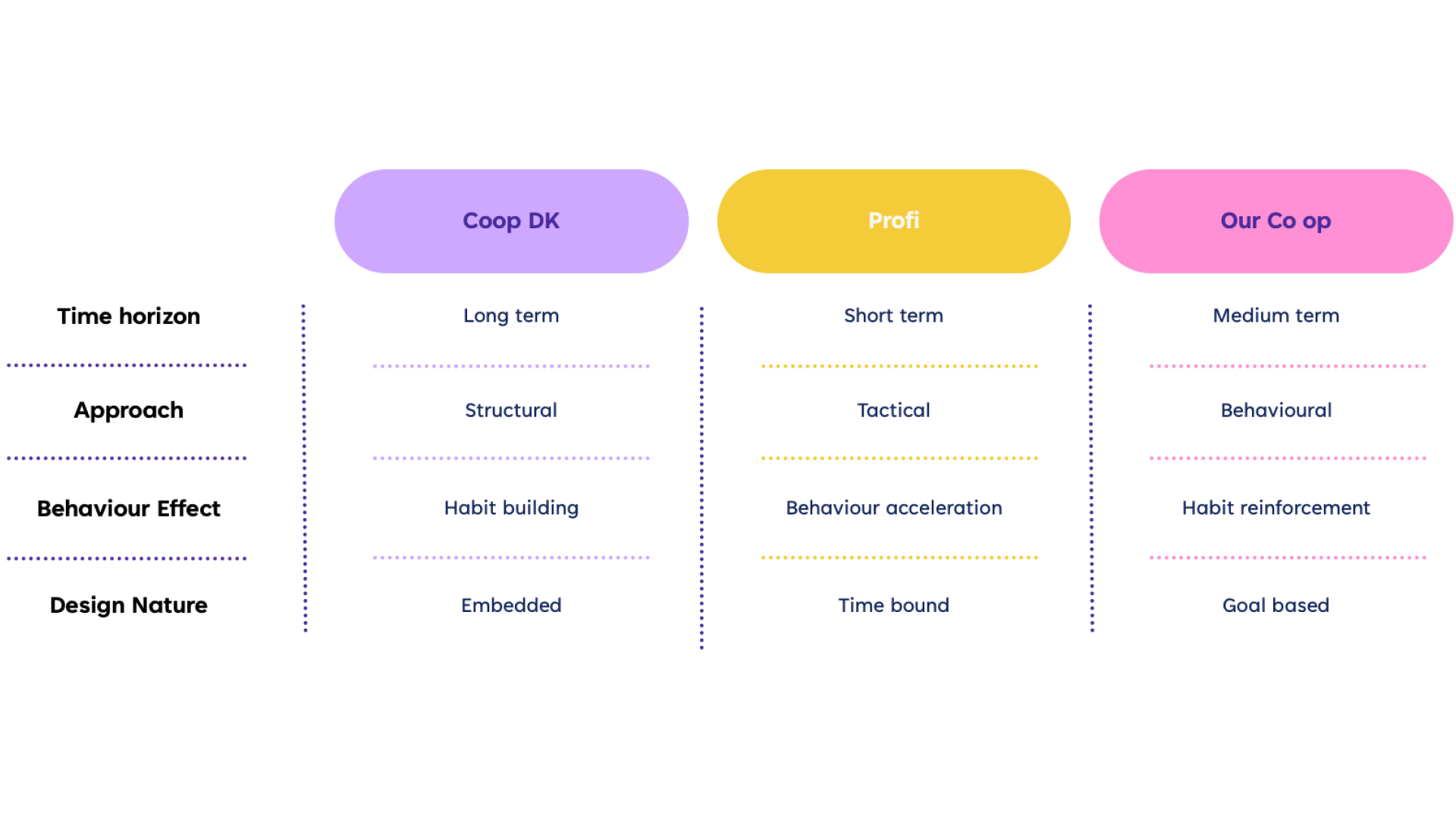
Coop Denmark Structural Differentiation to Build Lasting Habits#
Coop Denmark moved away from a flat bonus structure and introduced a permanent 5% bonus on fresh fruit and vegetables.
This was not a campaign. It was a strategic decision to align incentive design with a long-term health agenda.
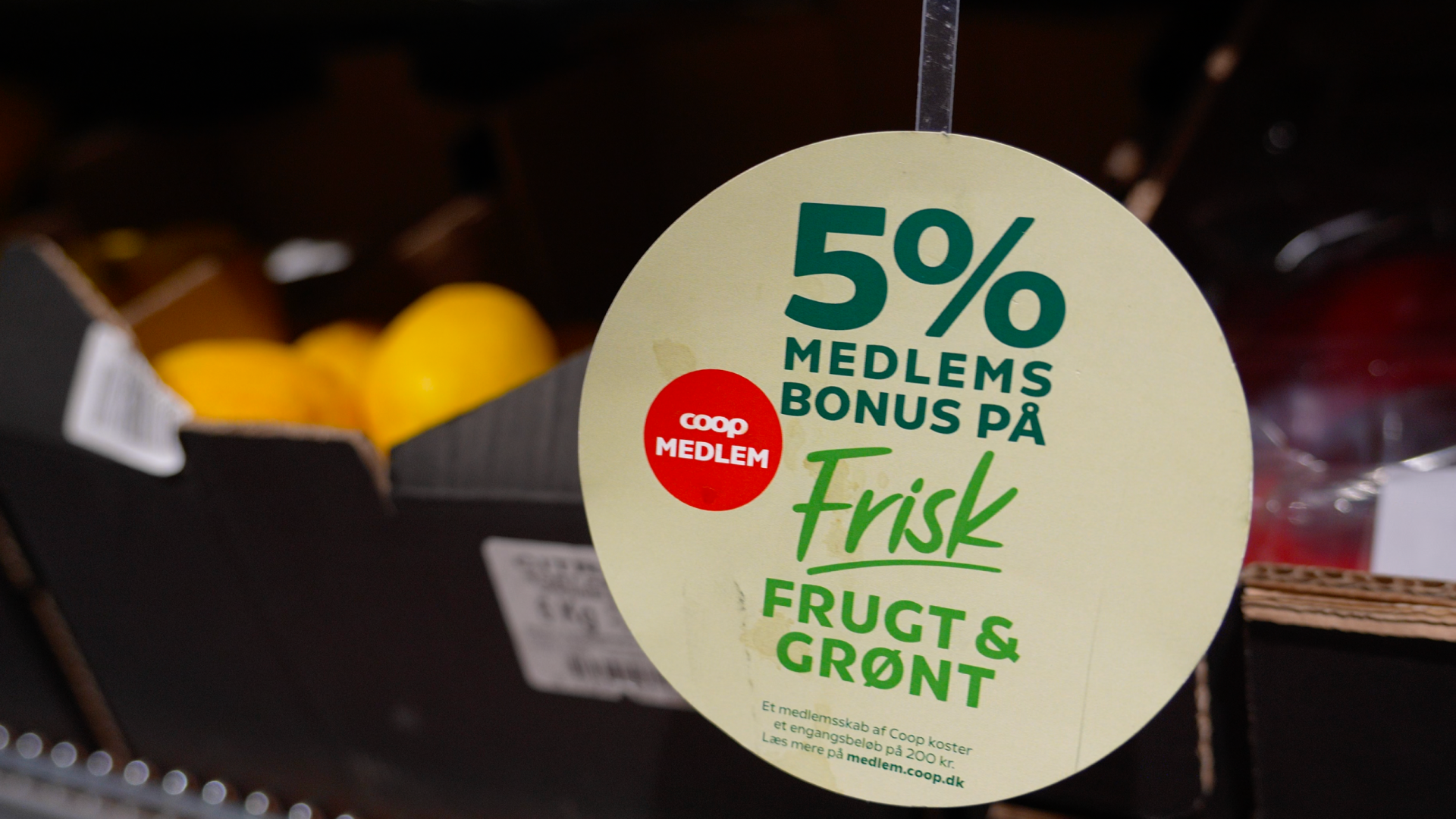
By concentrating higher incentives on a priority category, Coop created a clear and consistent behavioural signal. Healthier choices are always more rewarding.
This approach:
Reinforces behaviour over time and supports true habit formation
Increases perceived value without expanding total reward investment
Aligns commercial performance with brand positioning and societal impact
The permanence of the incentive transforms bonus from a tactic into infrastructure.
Profi Tactical Amplification to Accelerate Behaviour#
Profi activated a limited time 30% extra bonus on vegetables during a defined weekend period.
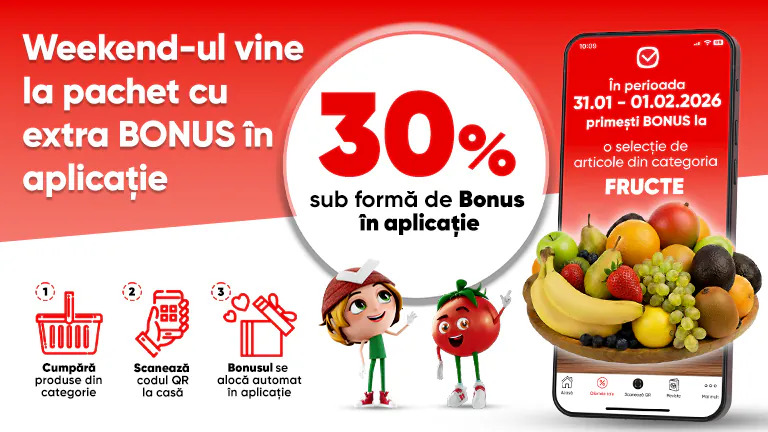
The objective was not to redesign the programme, but to create intensity. A sharp, visible incentive that drives immediate action.
By increasing the bonus significantly within a controlled window, Profi created urgency and attention around a priority category.
This approach:
Amplifies perceived value without long term cost expansion
Drives immediate category uplift and basket expansion
Maintains strict control through limited scope and duration
Importantly, the reward remains within the loyalty ecosystem. Customers must return to redeem it, turning a short term push into future visits.
Our Co-op Behaviour Driven Challenges with Bonus Rewards#
Our Co-op introduced challenges tied to fruit and vegetable purchases, where customers earn bonus by completing defined actions such as buying a set number of items.
This shifts bonus from being automatically granted to being earned through behaviour.
Customers track their progress, creating visibility, motivation, and a sense of achievement.
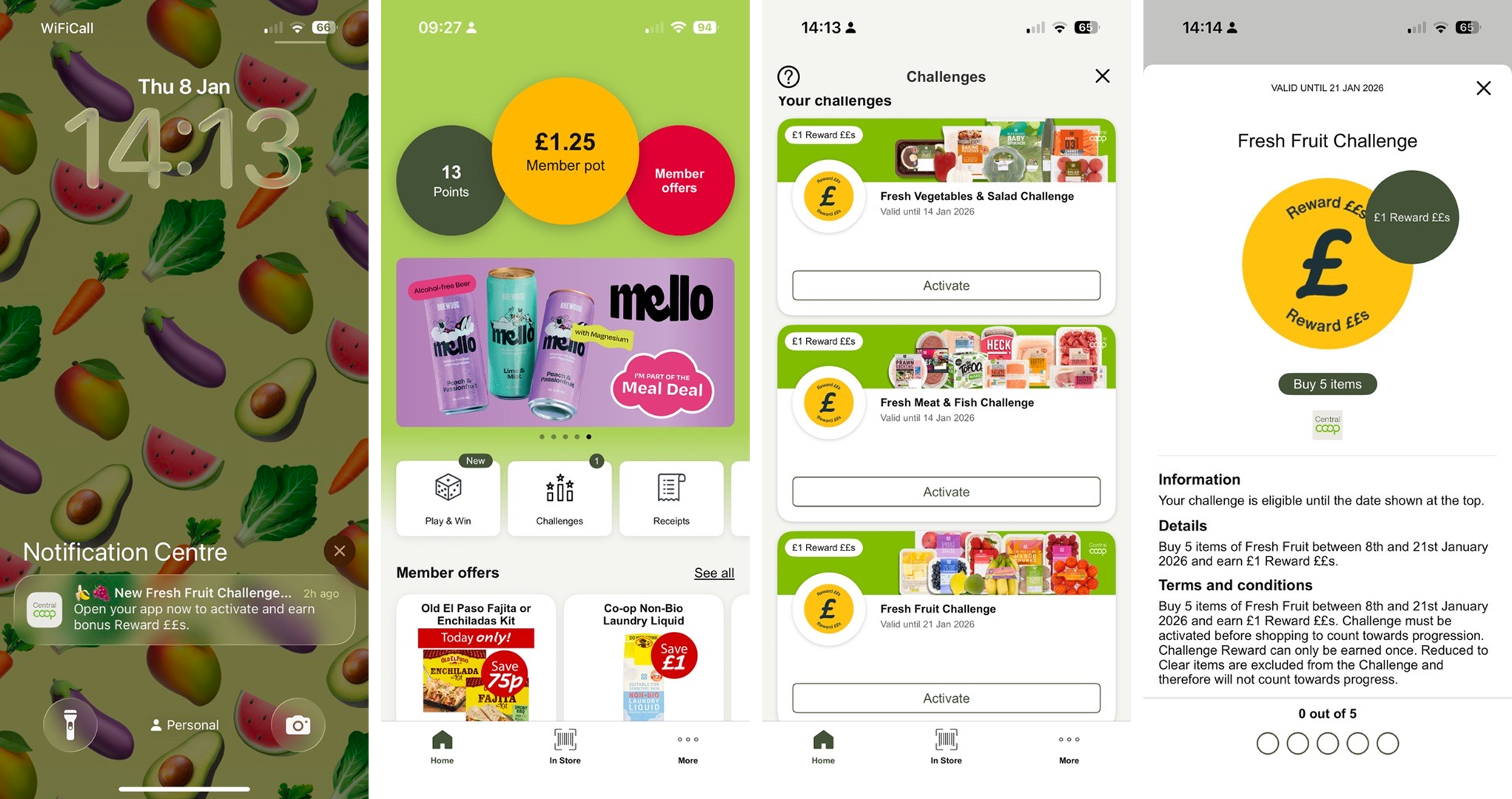
This approach:
Links reward directly to measurable behaviour
Reinforces repetition through goal completion
Ensures highly efficient investment, as reward is only triggered upon completion
As with the other models, value remains in the loyalty ecosystem, reinforcing return visits and ongoing engagement.
Commercial and Strategic Impact#
Across all three cases, the pattern is clear. Incentive design drives outcomes.
This is not a marketing tactic. It is a strategic discipline.
When designed intentionally, bonus driven loyalty enables:
Measurable category growth through targeted reinforcement
Smarter allocation of investment toward high impact behaviour
Stronger repeat behaviour that compounds over time
Alignment between commercial goals and brand priorities
Closed loop value creation that converts rewards into future visits
The critical insight is this.
Perceived customer value can significantly exceed actual investment when incentives are differentiated with intent.
And because bonus remains inside the loyalty loop, it continues to work beyond the initial transaction, reinforcing behaviour, increasing frequency, and strengthening retention.
From Transactions to Behavioural Strategy#
The shift is decisive.
Flat discounting rewards transactions.
Intentional incentive design shapes behaviour and builds long term value.
Retailers that treat bonus as a strategic lever rather than a cost line will unlock a fundamentally different level of performance.
The real question is not how much to reward. It is how deliberately incentives are designed to shape the behaviours that matter most.
:format(webp))