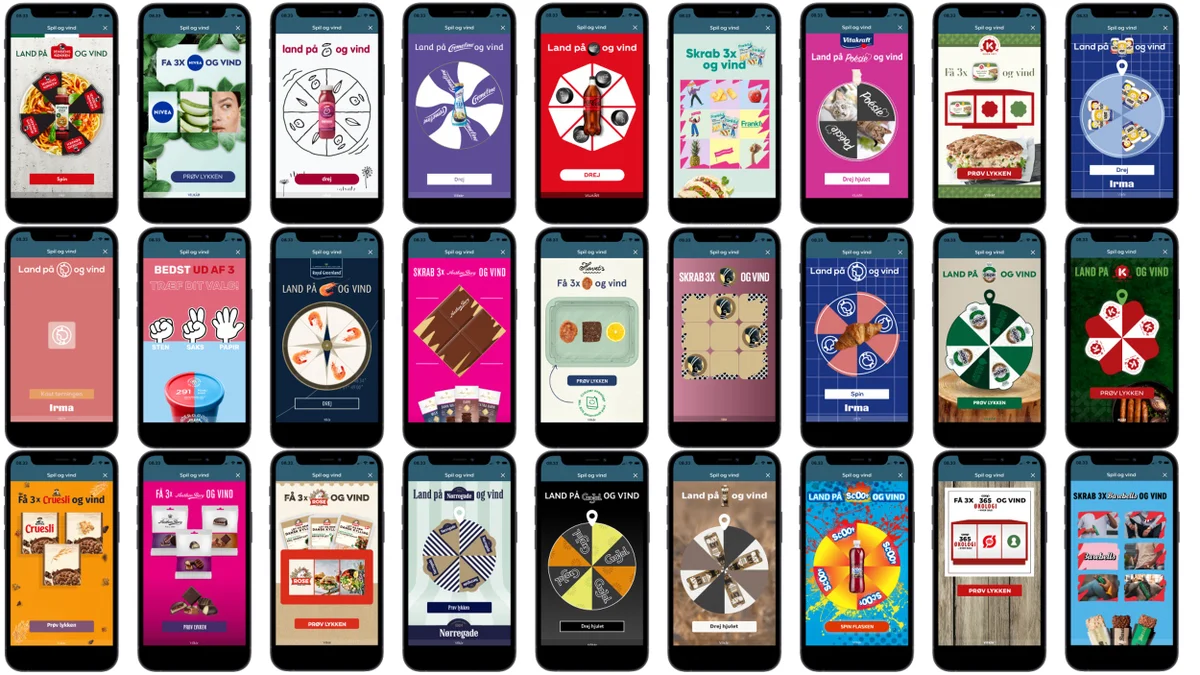
Gamification in grocery retail with Playable
A collaboration by Lobyco and Playable 7 min read


51M
games played, COOP 2025
182%
new app users, New World
68%
basket value growth, Our Co-op
115%
more likely to buy, Coop
How Coop Denmark, Mega Image, Our Co-op and Foodstuffs turn play into footfall, bigger baskets, app adoption and zero-party data.
Loyalty, gamification and data, working as one
Grocery is a habit business. The store a shopper visits first, shops most often, and trusts with their data takes the week. Three things move together to earn that.
Loyalty: A programme that gives people a reason to come back, with rewards they redeem in store.
Gamification: Games give shoppers a reason to open the loyalty app today, and a reason to come back tomorrow.
Data: Every play hands over zero-party data, which loops back to sharpen the next offer.

51M
games played, COOP 2025
182%
new app users, New World
68%
basket value growth, Our Co-op
115%
more likely to buy, Coop
I see a very strong connection between good loyalty, gamification, and using data in the right way.
Gamification in grocery retail
Gamification in grocery retail means adding game mechanics, such as spin-to-win wheels, scratch cards, daily puzzles and advent calendars, to a supermarket’s loyalty app, website, emails and in-store touchpoints.
Shoppers play for rewards they redeem in store. Retailers get engagement, footfall, bigger baskets, zero-party data and a media channel their suppliers will fund.
For grocers the economics differ from most retail. Margins are thin, visits are frequent, and the basket is habitual. A shopper does not need persuading to buy milk. They need a reason to choose your store this week, open your app rather than a rival’s, and tell you what they actually want. That is the job gamification does.
The problem#
Loyalty apps get downloaded once and forgotten. Paper coupons and generic discounts train shoppers to wait for price cuts. Third-party data is disappearing, so personalisation gets harder just as shoppers expect more of it.
What play changes#
A game is a reason to open the app today. The reward is a reason to visit the store. The data each play produces is volunteered, not inferred, so the next offer lands better. Suppliers pay to reach the audience it gathers.
Where the games appear#
In the loyalty app. Daily games, weekly campaigns and puzzle series that build a habit of checking in.
In store. QR codes on shelf edges, receipts and packaging take shoppers straight into a game on their phone, with no app download or URL to type.
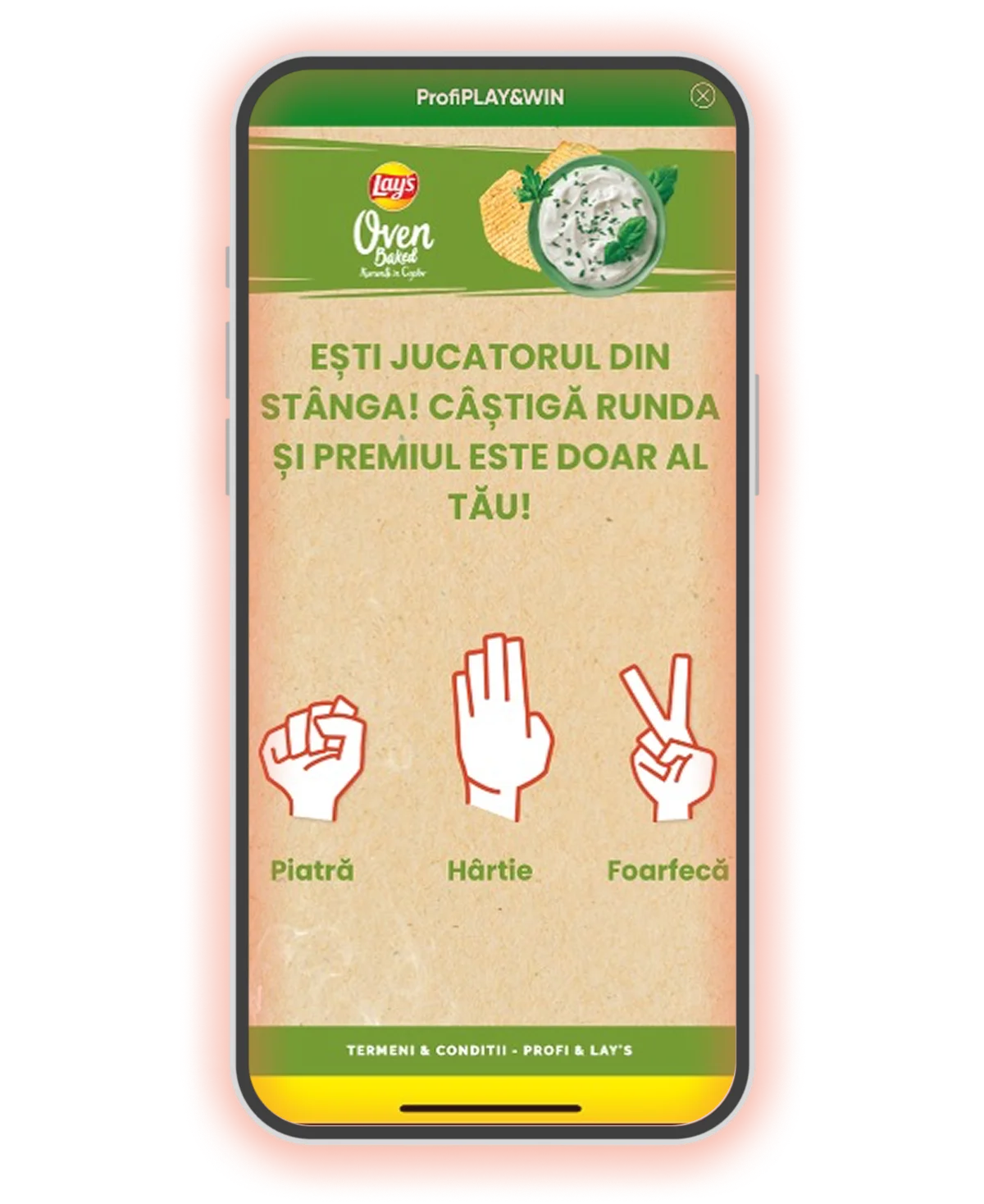
At the till. Games triggered in real time by a qualifying purchase, as Profi does with Buy & Win.
In email and CRM. Gamified sends that lift open and click rates against static newsletters.
The short version: loyalty gives shoppers a reason to come back. Games give them a reason to come back today. Data makes the next reason better.
The games are built directly in Nexus, Lobyco’s loyalty platform
Every programme in this collection runs on Nexus, Lobyco’s Loyalty and Promotions platform, with Playable’s games built straight in. Lobyco runs the end-to-end orchestration of game campaigns: the personalisation of targeting, game prizes and fulfilment. Playable supplies the 40+ game types that make shoppers open their loyalty app and hand over data through play. Each play feeds the loyalty profile, and that profile makes the next game and the next offer fit better.
Lobyco#
Game campaign orchestration on the Nexus loyalty and promotions platform: personalisation of targeting, game prizes and fulfilment.
Playable#
40+ game types built into the Nexus platform and the app, instant rewards, and zero-party data from every play.
The loop#
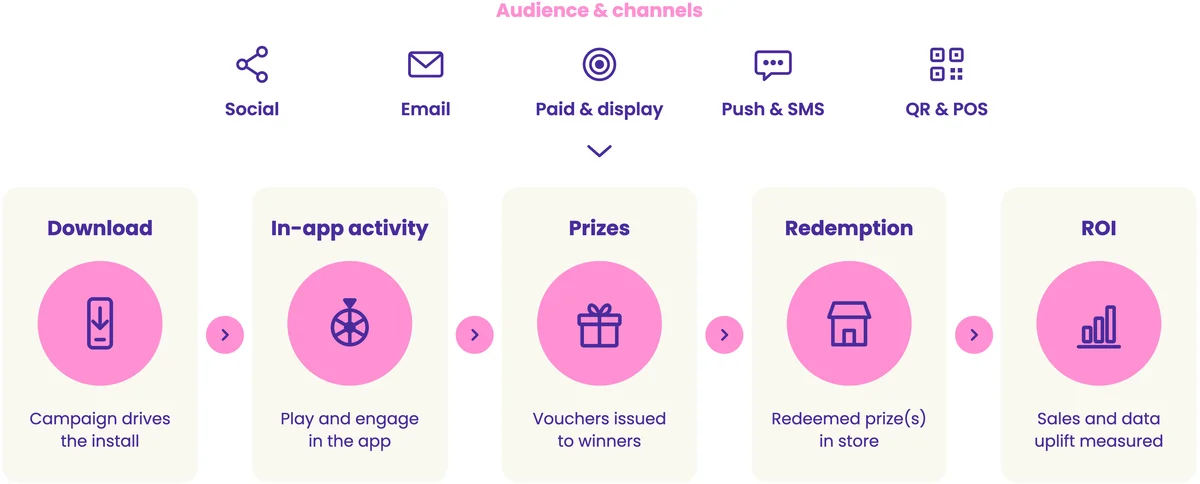
Shopper plays a game → Wins a reward, shares data → Redeems in store, driving footfall and sales → Data sharpens the next offer.

Profi
95 million plays a year, as part of customer loyalty.
+22% store visits in play weeks#
+10% spend in play weeks#
Profi built a games programme as part of its customer loyalty proposition. Members play and win week after week in the Profi app. Game types include targeted games and “Buy and Win” games, triggered in real time by a customer purchase.
What they learned. Play tracks straight to behaviour. Tie a game to a purchase and shoppers come back to pick up prizes and spend their winnings in store.
Results
8%
bigger baskets, Buy & Win
200K
extra visits, quiet period
14%
spend on featured brands
New World
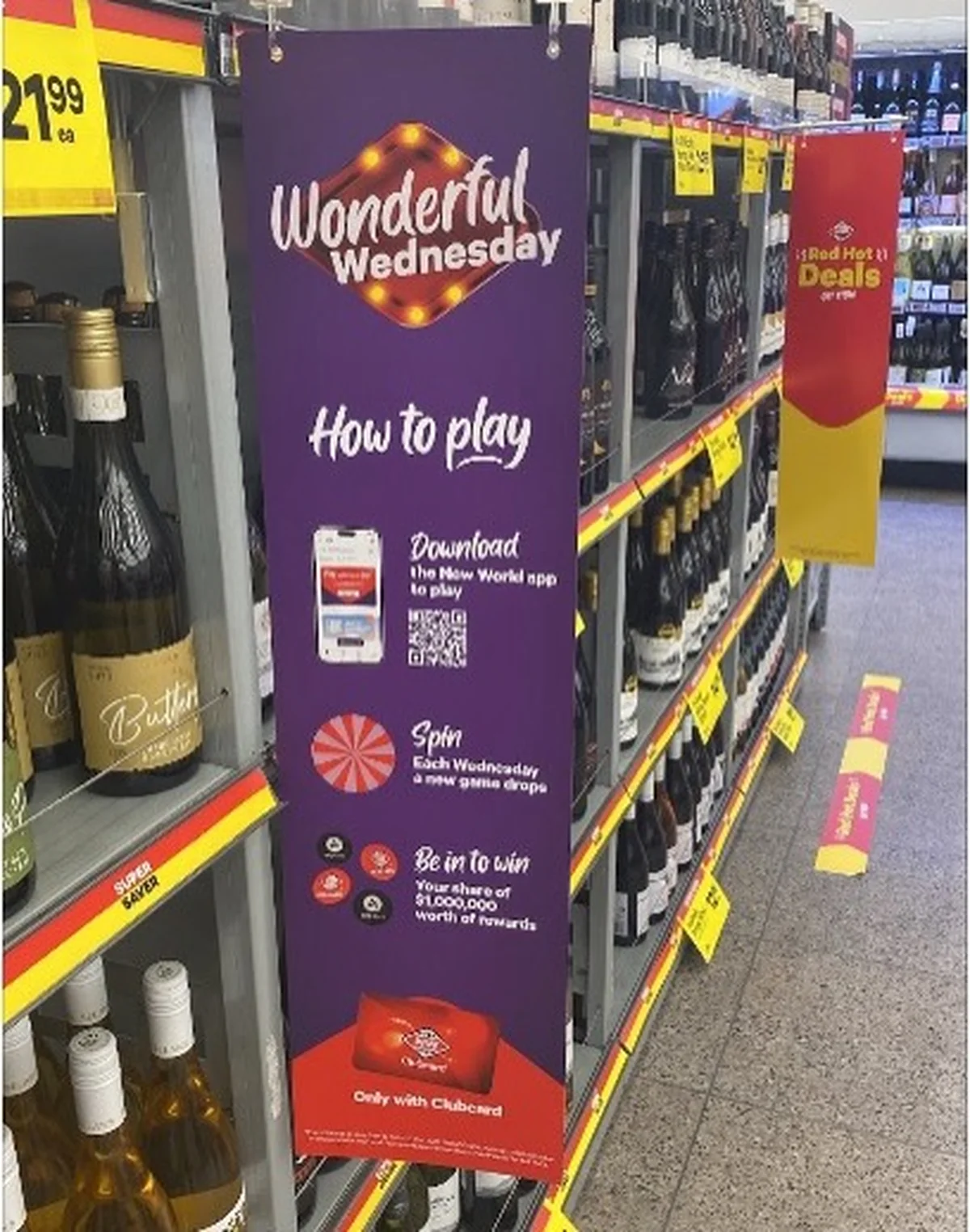
A weekly game that grew the app 182%.
Every app member got a game at midday, every Wednesday, for a month. Prizes ran in tiers (5, 10, 100 and 1,000 New World Dollars or Airpoints), paid in the retailer’s own reward currency.
What they learned. Two goals, both met: grow membership, and launch their new loyalty currency, New World Dollars, with impact.
Results
182%
new app users vs prior period
+38%
app sessions in active weeks
38%
of customers played a game

Coop Denmark
51 million plays in 2025, across three game formats.
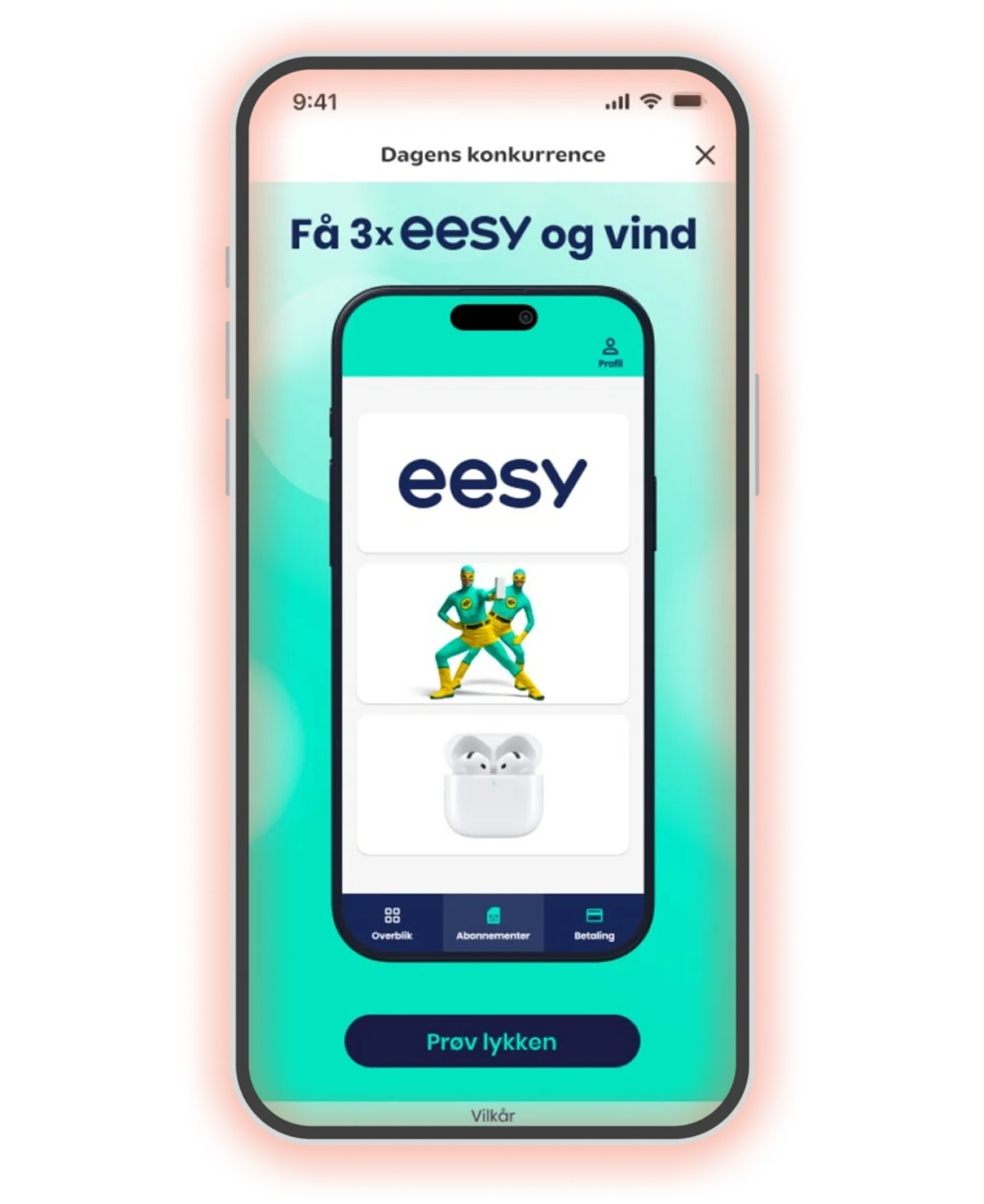
Coop runs three formats side by side, each tuned to a different job. Play & Win brings traffic, the Daily Game carries supplier brands and collects permissions.
What they learned. Daily games build the habit of opening the app, and each play collects the zero-party data that makes the next offer land. Game winners are 115% more likely to buy the featured product, which is why suppliers fund the campaigns.
Results
51M
games played in 2025
60%
rewards redeemed in store
150+
brand-funded campaigns

Our Co-op
Formerly Central England Co-op
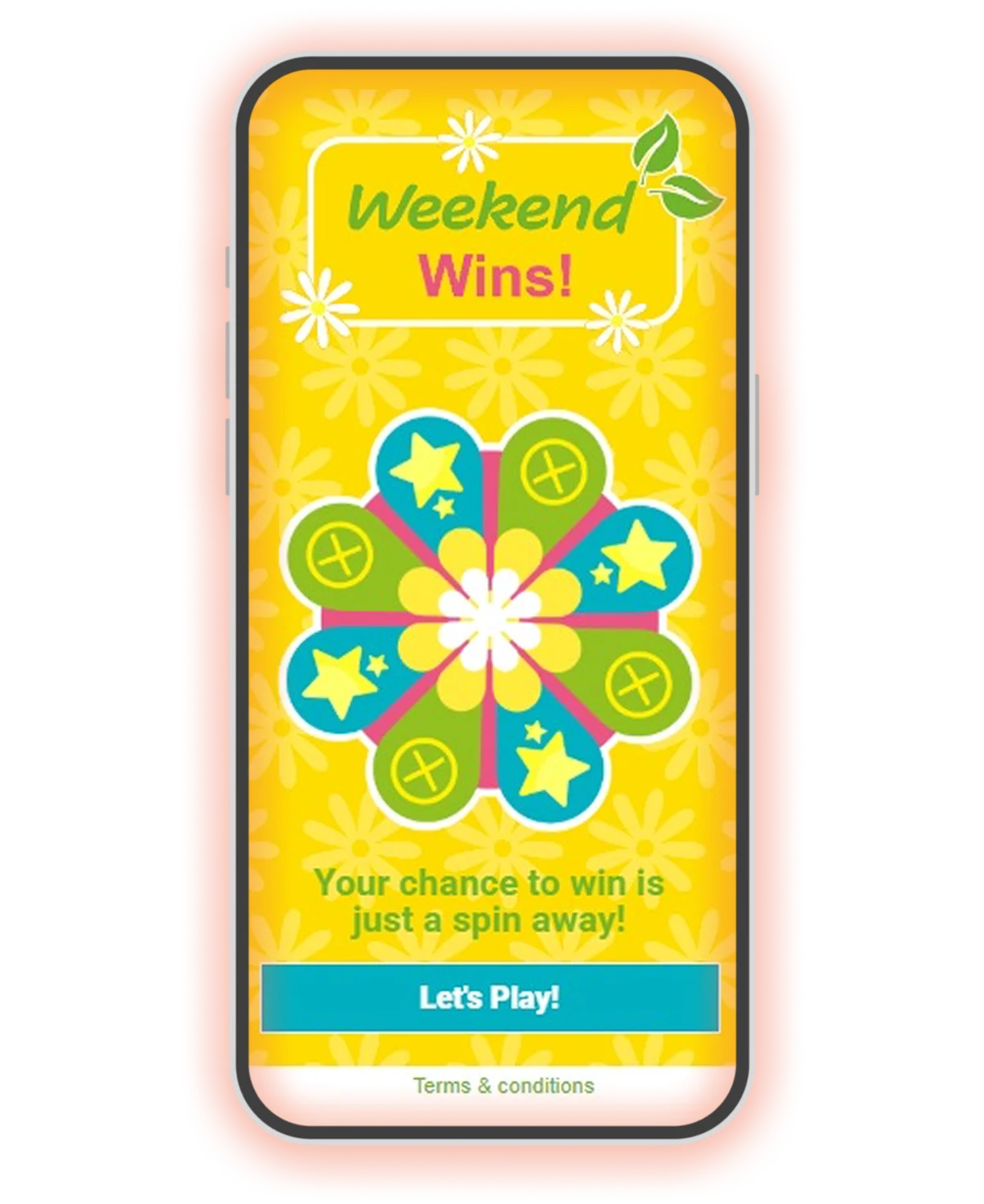
A large suite of games in their first year to drive engagement to the new member proposition.
Our Co-op’s journey with games began with Payday Perks, an internal colleague engagement initiative offering luck-based games where staff could win between £1 and £100 over payday weekends.
As Our Co-op expanded gamification to their full public membership, they experimented with a range of formats.
What they learned. The clearest insight: event and occasion-based game series, multi-day campaigns run around moments like Christmas Advent, Halloween, Mother’s Day and Valentine’s Day, consistently drove the highest engagement. Also, 68% basket value growth for game winners who redeem their prize vs typical basket.
Results
182
games run (Sep 2025-July 2026)
8
game types used
68%
basket value growth
Results at a glance
Every number, one place
| Retailer | Game/campaign | Headline result |
|---|---|---|
| COOP Denmark | Games programme (3 formats) | 51M games played in 2025 |
| COOP Denmark | Daily game (brand-funded) | 150+ campaigns; winners 115% more likely to buy |
| Profi (Mega Image) | Games programme | 95M plays/year; +22% visits, +10% spend |
| Profi (Mega Image) | Buy & Win (basket) | +8% baskets; 200K extra visits in a quiet period |
| New World (Foodstuffs) | Wonderful Wednesdays | +182% new app users; +38% sessions |
| Our Co-op UK | Games programme (occasion-based series) | 182 games since launch; 8 game types; 68% bigger winner baskets |
The mechanics behind the results
Six patterns do most of the work across the programmes in this collection. Each one is tuned to a different commercial job.
Play & Win (chance-based). A quick game with a reward redeemed in store: a free sample, a discount, or loyalty currency. Drives footfall and carries supplier-funded prizes. Coop Denmark runs 100+ campaigns a year, with 60% of rewards redeemed in store.
Daily game (chance, skill or knowledge). One play a day, with few but high-value rewards. Builds the habit of opening the app and collects marketing permissions for the retailer and its partners.
Puzzle series, such as Word Hunt. A new puzzle every day. The emotional-loyalty play: shoppers return because they enjoy it, not only because they want a prize.
Buy & Win (purchase-triggered). Spend a threshold or buy a featured brand, and a game is allocated automatically. Lifts basket size and brand spend, and gives suppliers a measurable return.
Currency and lottery rewards. Prizes paid in the retailer’s own reward currency, often in tiers. Grows the app base and teaches shoppers to earn and spend the currency, keeping value inside the retailer’s system.
Occasion-based series. Multi-day campaigns built around Advent, Halloween, Mother’s Day or Valentine’s Day. Our Co-op found these consistently drove their highest engagement.
What makes it work in a grocery setting
Mobile-first. Games are responsive by default, so a QR code on a receipt or shelf drops a shopper straight into play.
Instant reward. Winning now, not in a prize draw next month, is what turns a play into a trip.
In-store redemption. The reward is collected in the aisle, which is how a tap becomes footfall and a basket.
Zero-party data. Preferences and permissions are given deliberately in exchange for a reward, so they are accurate and consented.
Supplier funding. Branded game slots turn engagement into a retail media line rather than a marketing cost.
Integrated stack. Player data syncs to CRM, CDP and loyalty platforms, so a play updates the profile that drives the next offer.