

Traditional loyalty programmes are no longer enough to drive engagement. Shoppers are bombarded with loyalty options from competitors, and as a retailer, you need to offer something extra. With the rise of mobile, there are plenty of opportunities to make your loyalty programme fun, interactive, and rewarding. Gamifying your loyalty programme and adding challenges can transform casual shoppers into lifelong brand fans.
Fun is not just an add-on feature; it is a core element of a strong loyalty strategy. When shoppers enjoy earning rewards, they develop positive emotional connections with your brand. Loyalty becomes less transactional and more about participating in an experience. Gamification is a proven method of achieving this. At its core, gamification is about applying behavioural design mechanics to non-game contexts using challenges, games, and currency within a grocery retail loyalty programme to drive engagement and behaviour.
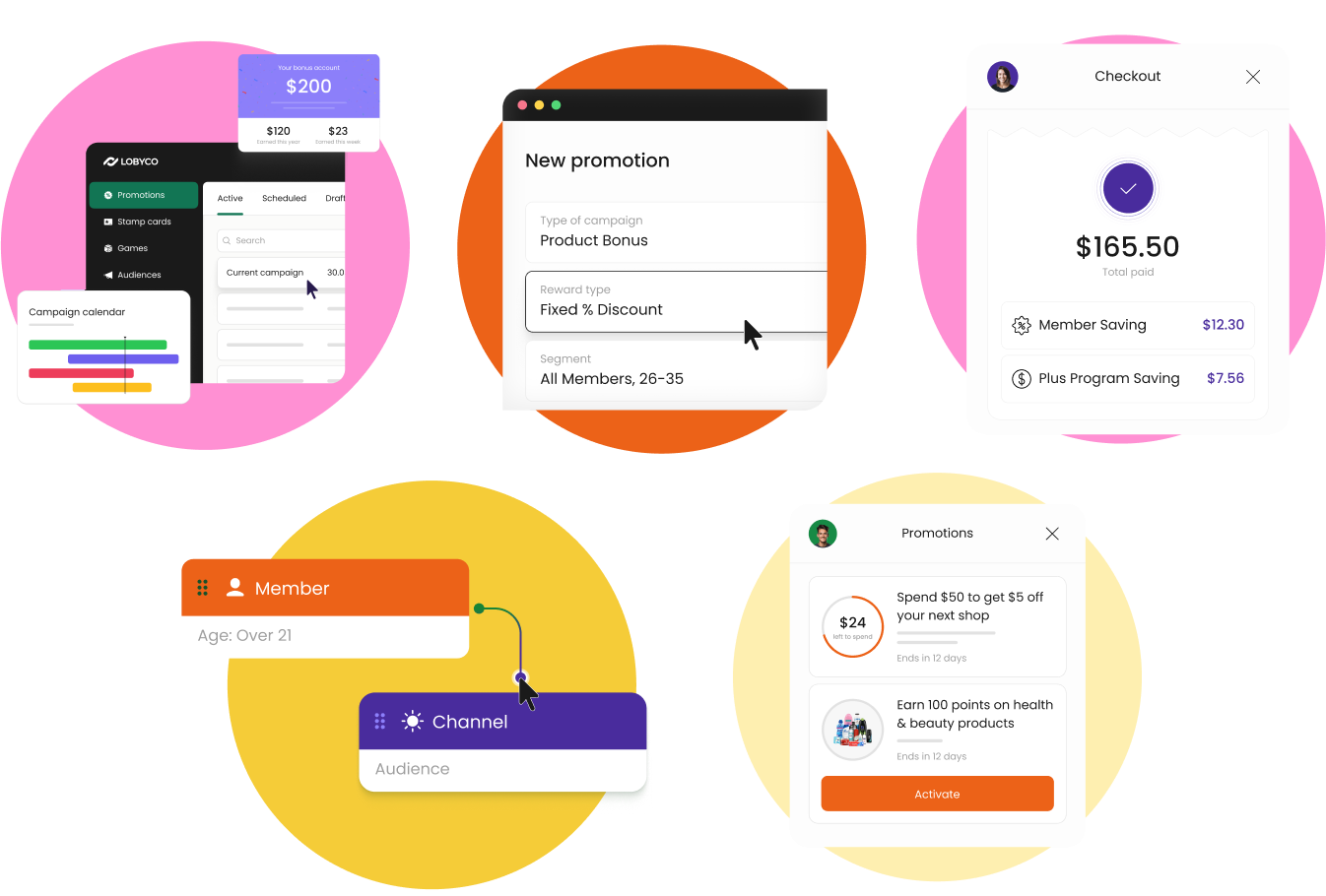
Challenges, also known as missions, stamp cards, or quests, add an extra layer of excitement and connect directly to your retail KPIs. They turn regular grocery trips into missions with clear goals and satisfying rewards.
There are several challenge formats worth considering. Spend-based challenges reward shoppers for hitting a spending threshold within a category. Frequency-based challenges encourage consistent shopping habits over a period of time. Quantity-based challenges reward bulk purchases of specific products.
Offering different levels of difficulty helps engage a wider audience. New customers can complete simple tasks, while loyal regulars can tackle harder, higher-value challenges. Challenges are also a powerful vehicle for promoting specific categories or launching new product ranges in collaboration with supplier partners.
Daily games come in two main varieties, chance-based and skill-based, and each serves a different purpose.
Chance-based games, such as spin-the-wheel or scratch-and-match formats, give shoppers excitement and a small dopamine rush. They motivate shoppers to engage with your digital channel on a recurring basis. If you offer a daily game, shoppers will prioritise opening your app every day, and you can build ongoing engagement from that foundation.
Skill-based games typically attract a smaller but more deeply engaged audience, creating longer-lasting recurring engagement. The prize pool is also a powerful opportunity: including physical products that winners can pick up in-store connects game engagement with store traffic and enhances your retail media proposition. Daily games, whether chance- or skill-based, offer a genuine opportunity to monetise content and shopper engagement through a supplier-funded prize pool.
Currency mechanics play on our psychological preference to accumulate and collect. They empower shoppers by letting them choose how they use their earned rewards — whether that is points exchanged for prizes or cashback that can be applied to any item in your store. Currency tends to have a long-term perspective and can serve as the baseline of your loyalty programme, with other mechanics layered on top.
Tracking the right KPIs is critical to proving your programme's value and optimising it over time. Key metrics include participation rates in challenges, shopping frequency among participants, basket size, reward redemption rates, retention rates, and broader engagement metrics such as app usage and email open rates. By analysing these together, you can fine-tune your programme to maximise both engagement and return on investment.